

Improved Appearance
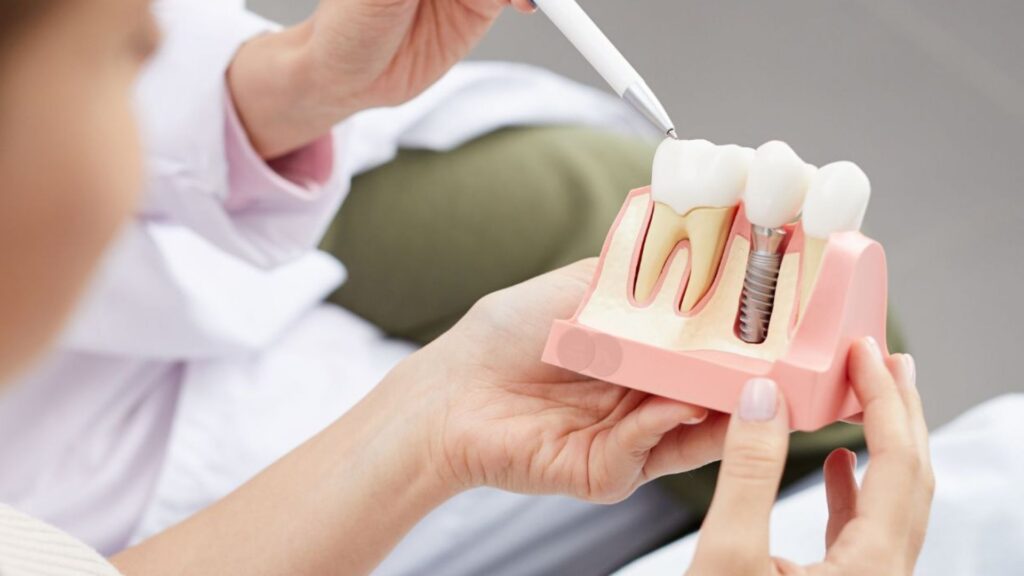
Enhance your overall appearance, as these implants seamlessly integrate with your natural teeth, providing a durable and aesthetically pleasing solution for missing or damaged teeth.

Enhanced Function and Comfort
Dental implants provide enhanced function and comfort, ensuring a more natural and seamless experience for daily activities such as eating, speaking, and smiling.

Improved Oral Health
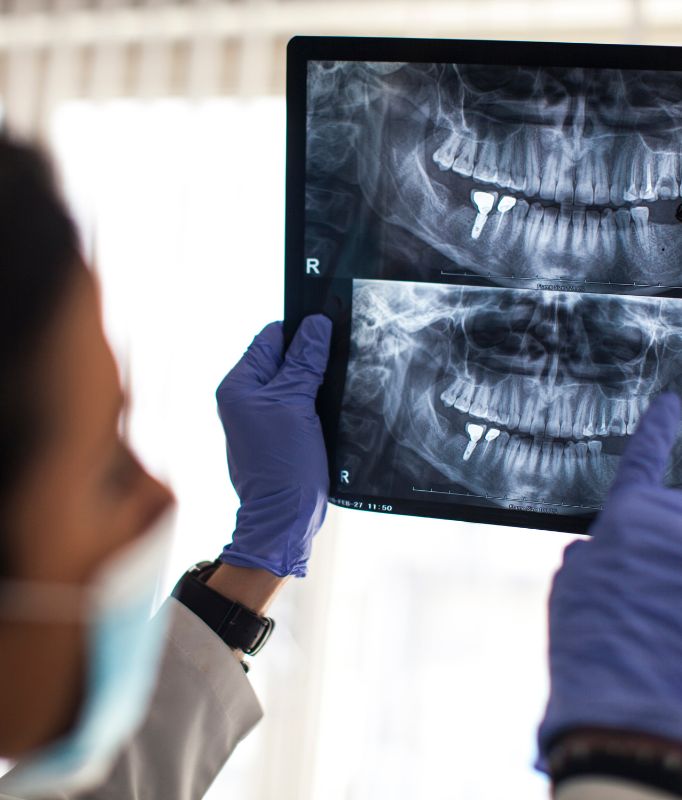
Dental implants contribute to improved oral health by preserving the integrity of surrounding teeth, promoting bone retention, and preventing potential oral health issues associated with missing teeth.

Long-lasting Solution
Dental implants offer a long-lasting and durable solution for replacing missing teeth, providing a stable and reliable restoration that can significantly improve your oral health and overall quality of life.
Enhanced comfort
Sedation will help you relax, alleviating any anxiety or apprehension associated with dental treatments. Sedation can help you feel more comfortable during dental procedures by reducing discomfort and stress associated with certain procedures.
Reduced Anxiety
During sedation you may also be given a local anaesthetic, which will normally be administered while you are under sedation. If you’re anxious or fearful about dental visits, sedation can make your experience more comfortable and less stressful.
Minimised
gag reflex
If you have a severe gag reflex, sedation can help suppress it, enabling our team to perform procedures more comfortably and with better precision.
Tailored treatment plans
Our dentists and practice team will work closely with you to develop a customised treatment plan that aligns with your individual requirements.
Step 1
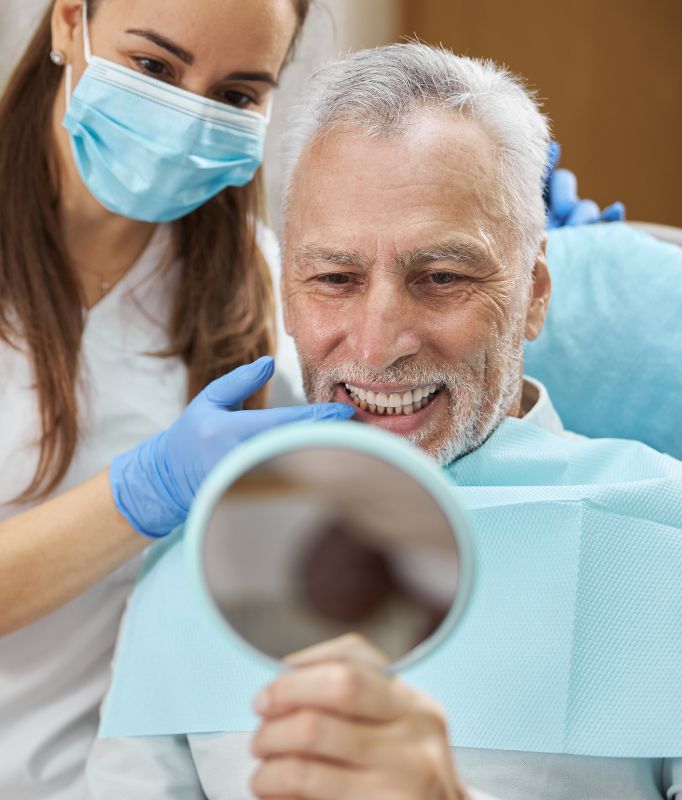
A consultation with your dentist is the initial stage in the cosmetic implant treatment process. The dentist will assess your oral health, go over the treatment goals and expectations, and develop a personalised treatment plan.
Step 2
Following the treatment plan, the dentist will prepare the implant site by, if required, removing any leftover tooth structure and confirming that the jawbone is in good enough condition to sustain the implant. To make sure that the implant location is solid enough to sustain the implant, the dentist might occasionally need to do a bone graft.
Step 3
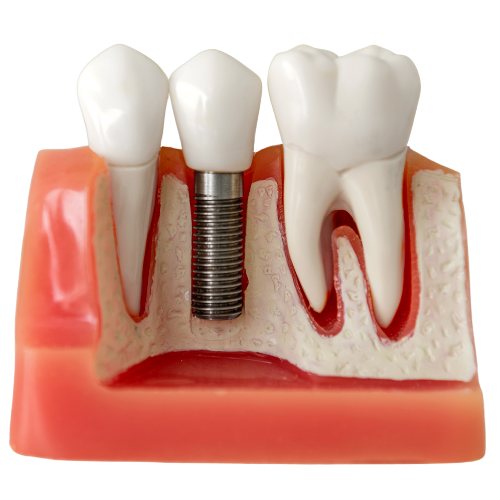
A small hole is drilled into the jawbone, and the titanium post is then inserted into the hole. The post will act as the base for any prosthetic teeth that are subsequently attached.
Step 4
After the implant has been placed, the patient will need to allow for a period of healing known as osseointegration. During this time, the bone in the jaw will grow around the implant, fusing it into place and creating a stable foundation for the artificial tooth.
Step 5
The dentist will fasten a tiny metal component known as an abutment to the top of the post once the implant has completely bonded with the jawbone. This will act as the artificial tooth or teeth's anchor.
Step 6
Finally, the dentist will attach the artificial tooth or teeth to the abutment. This may involve placing a dental crown, bridge, or denture onto the abutment, depending on the number of teeth being replaced and the patient's individual dental needs.