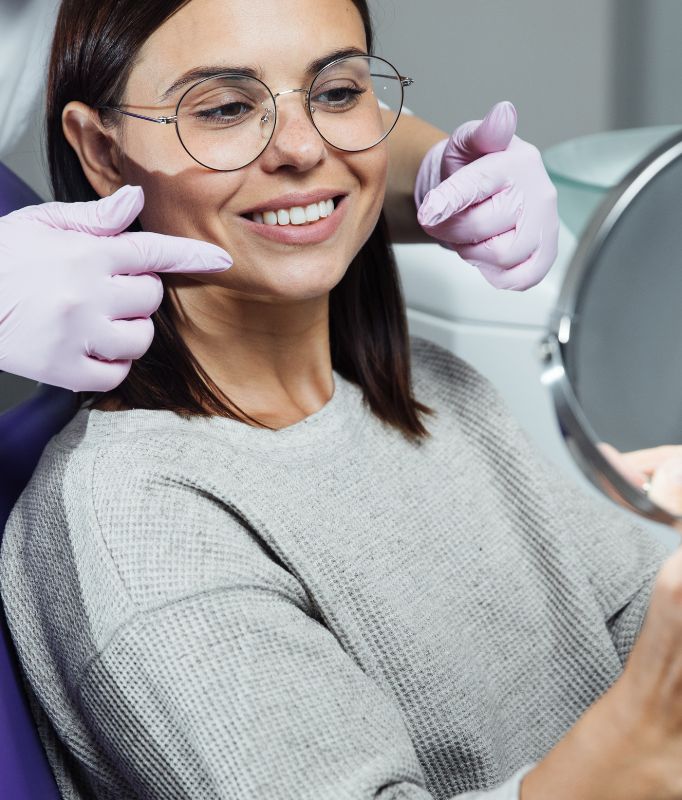

We can restore your damaged tooth to its original shape and colour so you won’t have to feel self-conscious when you smile
Dental Crowns
In Sheffield
preventative specialist
Cosmetic Crowns
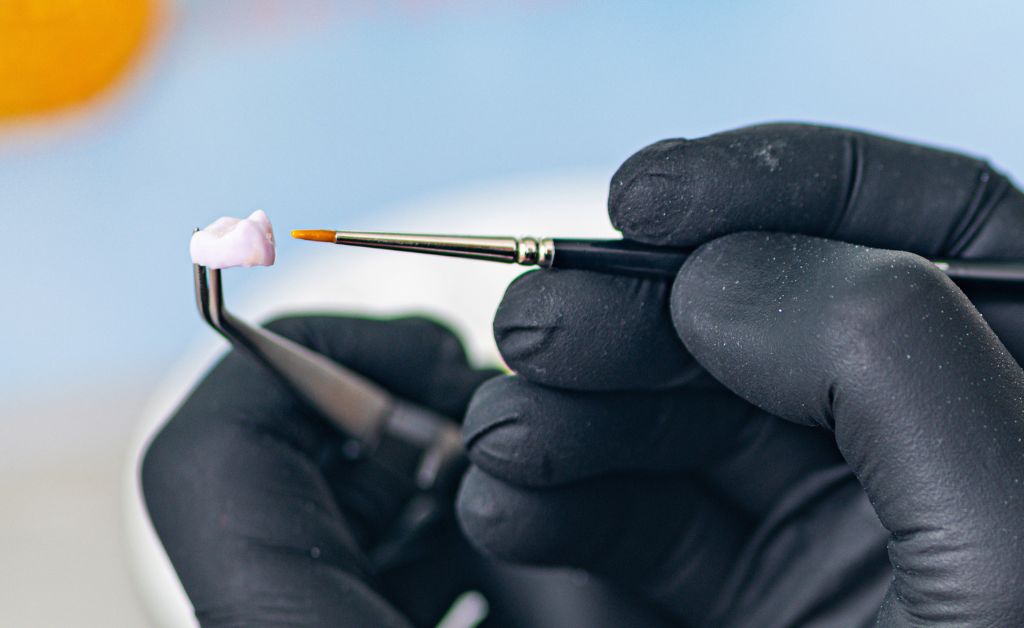
Dental crowns are prosthetic devices intended to encase and protect weak or broken teeth. They are frequently composed of materials like porcelain, ceramic, or metal and are intended to mimic the original teeth’s colour and shape.
top-notch dental care ensuring your comfort and well-being throughout your dental experience.
Benefits of
Dental Crowns

provides protection
Dental crowns offer vital protection for weakened, cracked, or broken teeth, helping to preserve their structural integrity and preventing further damage.

Long Lasting
Made of strong materials such as porcelain or metal alloys, this makes them highly durable and long-lasting. With proper care and maintenance a dental crown can last for many years.

Natural Looking
Customized to perfectly match the colour, shape and size of your natural teeth. Crowns seamlessly blend in with your existing teeth for a harmonious and confident appearance.

painless chewing
By restoring the tooth to its original size and form, crowns enable painless chewing and clear speech, ensuring improved oral functionality and comfort.

Enhanced comfort
Sedation will help you relax, alleviating any anxiety or apprehension associated with dental treatments. Sedation can help you feel more comfortable during dental procedures by reducing discomfort and stress associated with certain procedures.

Reduced Anxiety
During sedation you may also be given a local anaesthetic, which will normally be administered while you are under sedation. If you’re anxious or fearful about dental visits, sedation can make your experience more comfortable and less stressful.

Minimised
gag reflex
If you have a severe gag reflex, sedation can help suppress it, enabling our team to perform procedures more comfortably and with better precision.

Tailored treatment plans
Our dentists and practice team will work closely with you to develop a customised treatment plan that aligns with your individual requirements.
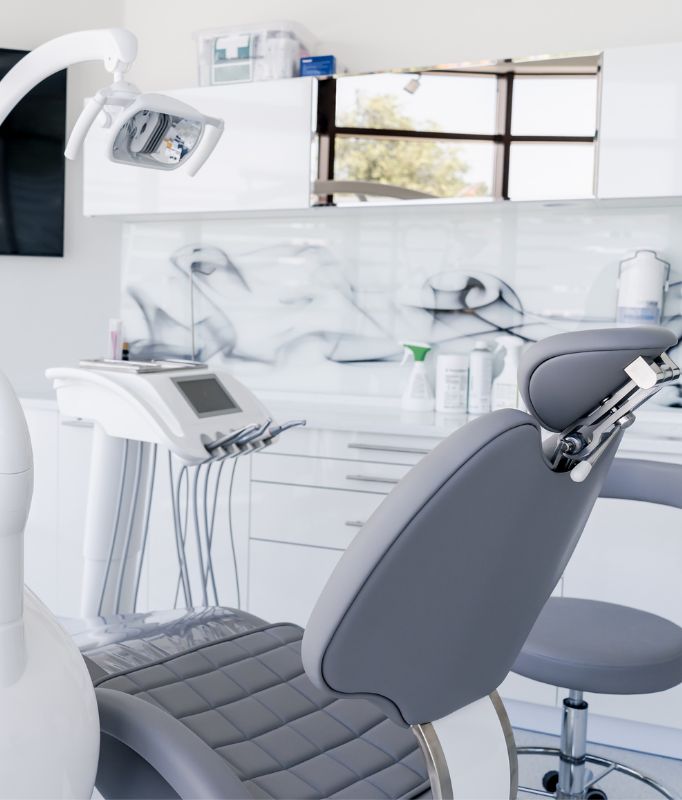
relaxing and pain-free experience
tools and techniques
The tools and techniques used during the procedure will depend on the type of crown being placed and the specific needs of the patient. However, some common tools and techniques include:
- Local Anaesthesia: To make sure the patient is at ease and pain-free, the dentist will use local anaesthetic to numb the area around the tooth prior to performing the treatment.
- Dental Drill: The dentist uses a dental drill to shape the tooth and remove any damaged or decayed areas.
- Crown Cement: The dentist will apply a special dental cement once the crown has been installed.
Craft Your Dream Smile
customisABLE
As well as tooth-coloured crowns, designed to blend in with your existing smile, we also offer gold crowns, which can look very striking if you fancy making a bold and fashionable statement with your smile. Your dentist will be happy to discuss your options with you and explain what your treatment involves.
benefit from an enhanced aesthetic appearance, increased functionality, and protection for the tooth
Treatment Process

Step 1
The first step is an evaluation of the tooth or teeth that will receive the crown. The dentist will examine the tooth to determine the level of decay or damage and may use x-rays to evaluate the bone structure and root system.

Step 2
The dentist will prepare the tooth by removing decay or damaged areas and then will shape the tooth to suit the crown. They don't often need to use old putty-style impressions anymore, instead we can use a scan. A custom-made crown that properly covers the prepped tooth will be produced using the scan or impression.

Step 3
The dentist will cover the prepared tooth with a temporary crown to prevent further harm while the permanent crown is being made.

Step 4
Once the permanent crown is ready, the dentist will remove the temporary crown and place the permanent crown in its place. The dentist will check the fit and adjust the crown as necessary to ensure a comfortable and secure fit.
Our Goal Is To Make Your Visit A Positive One
FActs & Questions
Although the crown itself won’t be affected, there might be exposure to nerves from gum recession. Once a permanent crown is in place, it should deliver adequate bite strength and chewing capability, so the patient should be able to eat without limitations or restrictions.
The short answer is no. Before either part of the procedure, the dentist will anaesthetise (numb) the tooth and the surrounding gum tissue. Once the crown is on and the anaesthesia wears off, the patient will probably experience a certain level of discomfort or even sensitivity.
You only have to wait for 30 to 45 minutes after you leave before being able to eat. Just remember not to chew where your crown is even in the days following the procedure. What’s safe to eat after crowns? Besides sticky and chewy foods, you may eat to your comfort level after the anaesthetic has worn off.
On average dental crowns can often last for up to 15 years or more with the right aftercare.
Want To Find Out More?
Get In Contact...
- 0114 248 9547
- info@harwoodclinic.co.uk
-
The Harwood Clinic,
1 Harwood Clinic,
Waterthorpe,
Sheffield,
S207LE.